Introduction
TCM views Oncology Acupuncture as a crucial, evidence supported integrative therapy and not a cure for cancer itself. TCM also views modern cancer treatments as harsh and disrupts the flow of vital energy or qi and uses acupuncture and TCM herbal supplements to restore balance, mitigate adverse side effects, and improve overall quality of life.
Cancer Treatment Side Effects
Conventional cancer treatment with chemotherapy pharmaceuticals, radiation and surgery has been known to come with side effects. Some are fatigue, nausea, constipation, diarrhea, peripheral neuropathy, inflammation like sunburns, edema, dry mouth, hot flashes due to hormonal imbalances, pain, organ damage, hair loss to a rise in low immunity.
Acupuncture Support
Research has shown acupuncture helping a myriad of health conditions and can also help provide support for cancer therapy. Effectiveness of acupuncture have been shown in an integrative setting working as an adjuvant for those going through modern day cancer treatment. Oncology Acupuncture has been used for cancer treatment side effects ranging from nausea, damaged salivary glands as a result of radiation therapy causing dry mouth, diarrhea, constipation, fatigue, cognitive health, to chemotherapy induced peripheral neuropathy.
Herbal Supplement Support
LCS101 (Protectival)
"Protectival contains LCS101, an evidence-based botanical formula studied in oncology settings, including clinical research with patients undergoing conventional treatment."
LCS101 (Protectival) was created using Traditional Chinese Medicine (TCM) principles to treat patients diagnosed with cancer, backed by 15 years of research and recommended by oncologists. Herbal botanical components selected to create LCS101 have been used for thousands of years in Chinese Herbal Therapy (CHT) and are considered to be safe for human consumption. It has not been found to alter the bioavailability or efficacy of anticancer drugs and botanical compounds in LCS101 are sourced in accordance with Good Manufacturing Practice (GMP) standards. Every batch is analyzed and certified to be free from heavy metals, microbial contamination, pesticide residues and mycotoxins.
More significantly, botanical compounds in LCS101 induced cell death in breast, prostate and colorectal cancer cells when taken at the right dose. At the same time, LCS101 did not show signs of toxicity, altered or changed normal, healthy human mammary epithelial breast cells and induced cancer cell death by both rupturing cancer cell membranes and, in some cases, cell swelling. Both phenomena resulted in eradicating tumor cells. Added to this, research conducted by Dr. Maimon et.al. on breast cancer also discovered dose dependent CHT induced apoptosis, cell death, in breast carcinoma cells.
This approach shows positive results when combining CHT and chemotherapy for treating advanced resistant breast cancer stages. It shows how LCS101 increases cancer therapeutic efficacy since breast adenocarcinoma cells are resistant to apoptosis when chemotherapeutic agents are introduced.
Research and studies have also shown that LCS101 (Protectival) improves blood counts during chemotherapy, has immunomodulatory effects of the botanical compounds, improves quality of life during chemotherapy, reduces nausea during chemotherapy, and botanical compounds have selective anticancer effects and protection from chemotherapy. LCS101 was also found to be safe and non-toxic when administered to patients with cancer. When taken with chemotherapy, the botanical compounds did not alter the effectiveness of the chemotherapy.
Results have shown that patients who used LCS101 (Protectival) before, during and after their modern cancer treatment resulted in a higher quality of life, when taken as recommended, compared to others who only used chemotherapy as their only mode of treatment.
LCS102 and LCS103 are also available. LCS102 is aimed to stimulate the body's immune system. LCS103 is under research for prevention of certain cancers.
Medicinal Mushrooms
Common chemotherapy side effects reduced from taking medicinal mushrooms include nausea, vomiting, diarrhea, and muscle pain. From one small study, medicinal mushrooms, some of which have been used in TCM, has a positive effect on reduciing toxicity of chemotherapy, improving the patient's quality of life, have good cytokine response waking the immune system and potentially improve clinical results in some cases.
Of the 39 who participated in the study, 31 reported a positive outcome while 2 reported worsening effects. While some reported a neutral effect on survival outcome.
Nutrition Recommendations
The Halifax project did a study on combining phytochemicals with conventional therapy to see if there were any interactions with conventional therapies. It showed that nutrition can affect cancer by reducing cancer risk, slow disease progression, reduce disease recurrence, reduce mortality and support conventional treatments. According to this project, epigenetic or non-genetic components in life play a big role in how cancer responds.
It suggested that nutrition along with lifestyle habits, such as sleep, exercise, stress control, meditation and other lifestyle choices, are epigenetic agents that influence cancer. However, epigenetics can also accelerate aging in some cases when they are related to age, poor nutrition, lack of exercise, excessive sun exposure, stress, toxins and drugs.
This brings us to apoptosis, a naturally occurring process of eliminating old or unwanted cells when the body's defense system is well. It is the body's way of creating a balance between cells that are good for the body while eliminating those that are not. When apoptosis is not functioning optimally, genetic instability could arise resulting in cancer initiation and progression. So whether benign or malignant cancers exist is determined by how well this process functions. However, for apoptosis to function optimally, it heavily relies on the P53 biomarker that allows apoptosis to occur at the DNA level.
P53, often called the "guardian of the genome", is the body's defense mechanism at the DNA level. P53 is a tumor suppressor protein and a primary biomarker that plays a key role in detecting cancer and aggressive cellular mutation. Because of this, P53 biomarker levels are often tested for the presence of malignant cancer.
There may be others, but nutrition that has been shown to enhance P53 functions are:
∙ Red, yellow, orange fruits and vegetables
∙ Cruciferous vegetables and sprouts
∙ Onions, garlic, milk thistle, chive, leek
∙ Purple fruits (berries and grape skins)
∙ Soy
∙ Cacao
∙ Carotenoids
∙ Sulforaphane
∙ Sulfur
∙ Anthocyanins & Resveratrol
Added to this, dietary factors that optimizes P53 functions are:
∙ Vitamins: B6, B12, C, D, Folic acid
∙ Minerals: Selenium, Zinc
∙ Herbs: Sage, green tea, rosemary, tumeric, ginger, and many more
It is also good practice to note dietary and environmental factors that were found to induce P53 damage. Some are:
∙ Air pollution
∙ Hyperglycemia
∙ Pesticides and Herbicides
∙ Radiation
∙ Trans fats and fried foods
BRCA is another cancer biomarker everyone has. It consists of two genes (BRCA1 and BRCA2) and is short for BReast CAncer gene. They are tumor suppressors and function by repairing damaged DNA that prevent cells from apoptosis. They help prevent cells from growing and dividing uncontrollably. Cancers they have been linked to are breast cancer (in both women and men), ovarian cancer, prostate cancer, pancreatic cancer and melanoma.
Some food and recommendation that has been shown to repair BRCA are:
∙ Cruciferous vegetables
∙ Red and purple fruits (berries, purple onions, red grapefruit)
∙ Squashes (cucumbers, watermelon, zucchini, squashes)
∙ Soy (fermented or less processed)
∙ Flax seed
∙ Green tea
∙ Omega 3, Selenium, Vitamin D
∙ also physical activity
Factors that have shown to increase the risk of BRCA are:
∙ Meat
∙ High caloric intake
∙ Significant weight gain (+44lbs / +20kg) between 18-30 years
∙ Hyperglycemia
Nutrition is one important aspect of a broader picture containing components of:
∙ Sleep
∙ Physical activity
∙ Stress management
∙ Toxins exposure
∙ Managing inflammation
Tumor growth, reduced response to chemotherapy drugs and unfavourable clinical outcomes are associated with chronic inflammation. A decrease in inflammation in the body is linked to more apoptosis, less side effects of conventional treatment, better survival rate, and less cancer seen with the use of anti-inflammatory drugs such as Aspirin and Celebrex.
Some causes of chronic inflammation are:
∙ Autoimmune conditions
∙ Being overweight
∙ Chronic stress - adrenal fatigue?
∙ Food intolerance
∙ Lack of sleep - chronic fatigue
∙ Sedentary lifestyle
An anti-inflammatory diet can consist of:
∙ High consumption of fruits and vegetables, whole grains, plant-based proteins (legumes), nuts and
seeds, fatty fish, herbs and spices
∙ Over 4000 phytochemicals have anti-inflammatory qualities
∙ Minimum consumption of industrialized food, sugar, fried food, food coloring, preservatives, etc...
Should food be cooked or raw? According to western mind sets, unprocessed colorful food both raw and cooked food are recommended. According to TCM, raw, especially cold food in excess, damages spleen yang, slowing the movement of qi. When qi is deficient, signs of fatigue and feeling tired would arise.
Therefore, in TCM, it is generally always recommended to cook or heat up food and to avoid consuming food raw. This, of course, also depends on each person's current health. For instance, when someone has strong spleen yang, raw food should be okay to consume. But spleen yang deficiency signs start to show with long term, overconsumption of raw, cold food. At this point, reducing or eliminating raw, cold meals is recommended.
The key point is to have a good balance of food temperatures and to listen to your body. Examples of spleen yang deficiency are: general cold signs, bloating, loose stools, undigested food, and poor appetite to name a few.
For anyone diagnosed with cancer, cooked, warm meals, in general, are always recommended to preserve as much spleen qi as possible. On top of that, raw and ice-cold food are not encouraged since it shocks the spleen, a very important organ due to how it influences the qi pathway in TCM.
Can I buy any vegetables and supplements listed from anywhere? It's always best to select non-GMO vegetables and food sources that are grown or produced as organically as possible, preferably, with no pesticides or other chemical enhancements. With supplements, similar to selecting food to consume, it is always good practice to check which manufacturing standard is on the label such as USDA Organic or a standard higher and more rigorous to attain.
Cancer Diet According to TCM
According to a TCM perspective, since chemotherapy and radiation affects both cancerous and healthy cells, side effects can become damaging leading to deficiencies in the body's qi (energy), blood (anemia), yin (body fluids) and yang (body temperature).
Many sources recommend adding herbal supplements to meals during and after cancer treatments. This could mean to add herbs or herbal soups to meals. If you're currently taking LCS101 (Protectival) or Tonix-R, many of the herbs may already have been included in this botanical supplement so these recommendations may not apply. But the three main areas of conventional cancer treatment support focuses on three main areas. They are:
∙ Boost Immunity by Tonifying Qi
∙ Reduce Side Effects
∙ Reduce Oxidation
1. Boost Immunity by Tonifying Qi: Qi deficiency usually leads to tiredness, lethargy, fatigue, exhaustion and a poor immune system. In excess, qi deficiency leaves the body vulnerable to diseases. Stress, environmental exposure and lifestyle can be partly to blame. Additionally, conventional cancer treatments often cause qi deficiency by overworking the body with an overload principle to target the cancer and healthy cells. Fortunately, some TCM herbs that have been shown to tonify qi or strengthen qi are still around. Some are Huang Qi, Cordycep, Ling Zhi and Ginseng.
From this list of qi tonifiers, Huang Qi is an herb often referenced to boost qi, qi correlates to energy, in those who are feeble and weak. A simple formula that has Huang Qi (Radix Astragali) and Dang gui (Radix Angelicae Sinensis) is Dang Gui Bu Xue Tang. This combination tonifies qi, generates blood, and promotes the healing of wounds. It's common to see Dang gui and Huang qi in herbal soup packets too. Although the Dang gui proportions are very little to the point of negligible compared to Huang qi in this formula, it's always best to check with a practitioner to make sure this formula is right for you since Dang gui can mimic some pharmaceuticals.
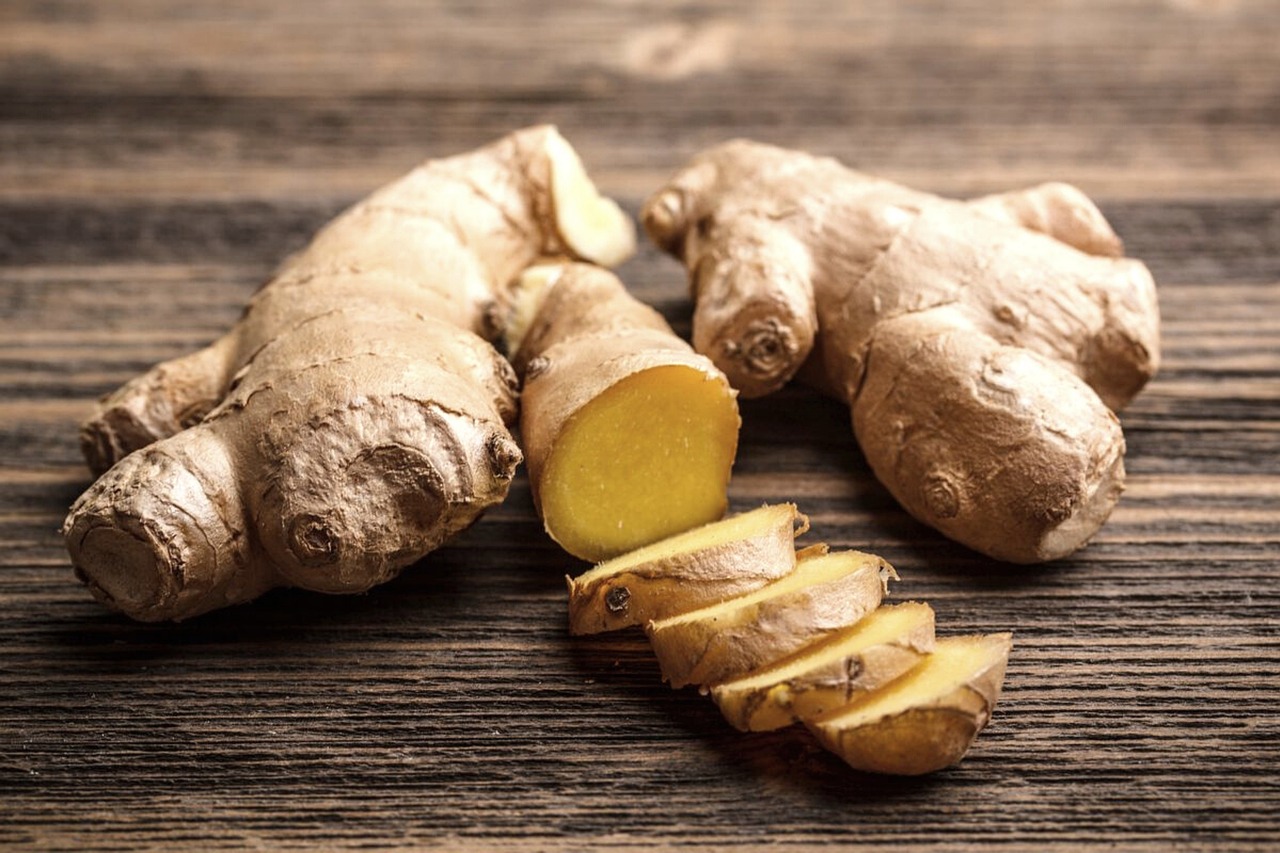
2. Reduce Side Effects: It is common to see side effects of radiation therapy appear as dry throat, hot flashes or constipation. During conventional cancer treatment, herbs to select or choose should nourish fluids while clearing heat in the body at the same time. There are many but some are Sheng di huang, Xia ku cao and Sha shen. For poor appetite, nausea, weight loss or loss of muscle mass during treatment, Jiao San Xian (Charcoaled 3 Fairies) could potentially aid digestion and help increase appetite to ultimately help in gaining healthy weight. Ginger juice by itself is often also highly recommended for nausea as a cancer side effect.
Jiao San Xian (Charcoaled 3 Fairies) is a gentle formula that aids in digestion, increases appetite and aids in healthy weight gain. This formula is dry-fried or charred until dark brown to enhance their medicinal properties. Alone, each is very beneficial to what it targets to digest. Combined, it becomes more potent. It is made of three main food which aid digestion amd, in TCM, is categorized as herbs. They are charred:
∙ Shan Zha (Hawthorn Fruit): aids in the breakdown of meat, greasy/fatty food, and abdominal accumulation.
∙ Mai Ya (Germinated Barley): aids in the digestion of starch stagnation as well as helps in the digestion of grains and carbohydrates.
∙ Shen Qu (Massa Fermentata): improves overall stomach function, relieves bloating, and aids in the digestion of fermented or dense meals.
In general, when yang (hot) symptoms appear as inflammation, dry skin, irritability, and heat sensations, moistening food like cucumber, watermelon, tofu, mung beans, and leafy greens are recommended in moderation. On the other hand, when yin (cold) types of symptoms or patterns appear in the form of feeling chilly, bloating, having a sluggish digestion, or fluid retention, food categorized as warm are recommended, in moderation as well, until a desired balance is reached. For the yin type symptoms, some food includes cinnamon, garlic, ginger and rooted vegetables.
3. Reduce Oxidation: Introducing antioxidant rich food is recommended to reduce oxidation. Since many sources recommend juicing fruits and vegetables raw and TCM shows that it can cause qi deficiencies, adding some warm spices could potentially help counter this raw, cold effect of juices. Ginger, tumeric and wolfberries (Goji berries) could be added to raw juices which consists of leafy green vegetables, berries and even nuts.
As previously mentioned, consuming raw with high caution should be noted in those with cancer since it could damage spleen qi. When there is a spleen qi deficiency, symptoms of tiredness, fatigue or lassitude will arise. Therefore, cooking food is always recommended since cooked food makes nutrients more bioavailable and reduces the digestive burden on the body compared to when it is raw.
References:
Alexander, H. (2021, April 14). Can mushrooms help during cancer treatment?. UT MD Anderson. https://www.mdanderson.org/cancerwise/can-medicinal-mushrooms-help-during-cancer-treatment.h00-159460056.html
Chiang, E. Y.-P. (2022). How to eat based on your traditional Chinese Medicine Constitution Webinar - cancerchoices. CancerChoices. https://cancerchoices.org/how-to-eat-based-on-your-traditional-chinese-medicine-constitution-webinar/
Evidence Based Acupuncture. (2024, June 8). Evidence based acupuncture. https://www.evidencebasedacupuncture.org/acupuncture-scientific-evidence/
Good manufacturing practices. (n.d.). Good manufacturing practices. World Health Organization. https://www.who.int/teams/health-product-policy-and-standards/standards-and-specifications/norms-and-standards/gmp
Maimon, Y., Karaush, V., Yaal-Hahoshen, N., Ben-Yosef, R., Ron, I., Vexler, A., & Lev-Ari, S. (2010). Effect of Chinese herbal therapy on breast cancer adenocarcinoma cell lines. Journal of International Medical Research, 38(6), 2033–2039. https://doi.org/10.1177/147323001003800617
Maimon, Y., Hartung, J., Samuels, N., Bock, P., et.al. (2026, March). Oncology Acupuncture [Pre-recorded and live lessons]. TCM Academy of Integrative Medicine. https://www.tcm.ac/oncology-acupuncture-program/
Maimon, Yair. (2014, December). Research. yairmaimon. https://www.yairmaimon.com/research-1
Me&Qi. (2026, June). TCM conditions database | search health conditions in Chinese medicine | me & qi. https://www.meandqi.com/knowledge-base/conditions
Narayanan, S., de Mores, A. R., Cohen, L., Anwar, M. M., Lazar, F., Hicklen, R., Lopez, G., Yang, P., & Bruera, E. (2023). Medicinal Mushroom Supplements in cancer: A systematic review of Clinical Studies. Current Oncology Reports, 25(6), 569–587. https://doi.org/10.1007/s11912-023-01408-2
National Cancer Institute. (n.d.). Side effects of cancer treatment. NCI. https://www.cancer.gov/about-cancer/treatment/side-effects
Thomme, G. V. (2025, June 5). Acupuncture during cancer treatment: What to know. UT MD Anderson. https://www.mdanderson.org/cancerwise/acupuncture-during-cancer-treatment-what-to-know.h00-159777234.html
UT MDAnderson. (2026). Diet & Cancer Risk | UT MD Anderson. https://www.mdanderson.org/prevention-screening/manage-your-risk/diet.html
Yaal-Hahoshen, N., Maimon, Y., Siegelmann-Danieli, N., Lev-Ari, S., Ron, I. G., Sperber, F., Samuels, N., Shoham, J., & Merimsky, O. (2011). A prospective, controlled study of the botanical compound mixture LCS101 for chemotherapy-induced hematological complications in breast cancer. The Oncologist, 16(9), 1197–1202. https://doi.org/10.1634/theoncologist.2011-0150
Yun, M. (2020, November 27). Nutritious food for cancer patients recommended by TCM Physicians | Oriental remedies. https://www.orientalremediesgroup.com/best-foods-to-eat-during-and-after-chemotherapy-radiotherapy-the-tcm-way/
ZHOU, X., WANG, G., LAI, L., XU, L., SHEN, Q., WANG, Y., FAN, M., & SHEN, L. (2021). Traditional Chinese medicine diet paratherapy for alleviating toxicity in chemotherapy and radiotherapy in cancer patients: A meta-analysis. Food Science and Technology, 41(suppl 2), 753–762. https://doi.org/10.1590/fst.31720
Disclaimer: Information on this page, and all other associated links to this page, is not intended to make claims of any health benefits or that acupuncture, herbal supplements or recipes can cure, prevent or treat any health conditions but is for educational and informational purposes only.